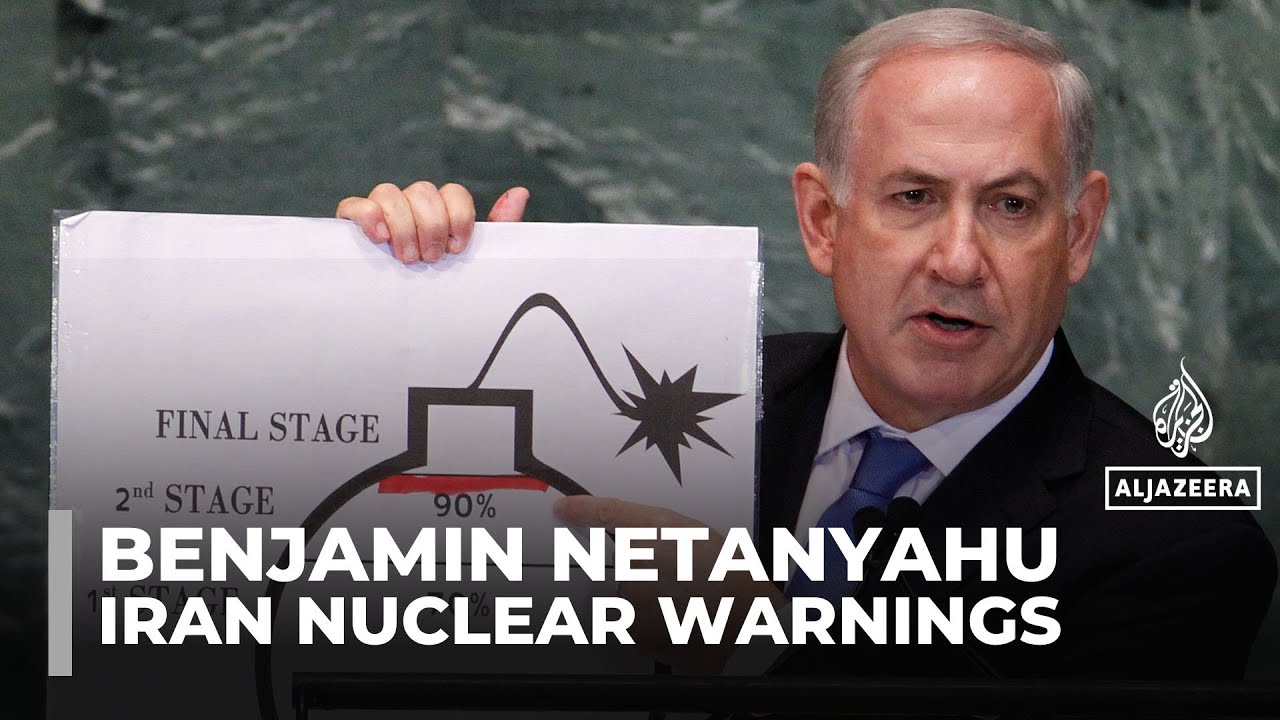
Iran's Nuclear Path: A Pivotal Challenge for US and China's Oil Interests
The persistent pursuit of nuclear capabilities by Iran stands as one of the most volatile and intricate geopolitical challenges of our time. Far from being a localized issue, Tehran's nuclear ambitions ripple across the globe, directly impacting the strategic calculations of major powers like the United States and China, particularly concerning the vital flow of oil. This evolving dynamic necessitates a deep dive into the unique and often conflicting strategies employed by these global giants as they grapple with the implications of Iran's nuclear path and its broader regional influence. The current landscape is characterized by an unprecedented geopolitical setback for China and a high-stakes balancing act for the United States, each contending with the complex stratégie inédite iran employs to assert its regional power.
The US Imperative: Containing Iran and Safeguarding Regional Stability
For the United States, Iran's nuclear program represents a direct threat to non-proliferation efforts, regional stability, and the security of its allies. Decades of fluctuating US policy, marked by withdrawals from agreements like the Joint Comprehensive Plan of Action (JCPOA) and subsequent re-engagement attempts, have arguably emboldened Tehran. Iran has significantly advanced its nuclear program, now reportedly close to a weapons-grade threshold, and appears to believe it can defy international warnings with impunity. This progress, coupled with Iran's substantial support for proxy militias like Hezbollah and Hamas, has fueled instability across the Middle East, funded by hundreds of millions of dollars derived from illicit oil sales and sanctions evasion.
The US approach often involves a combination of diplomatic pressure, economic sanctions, and the credible threat of military action. Strategic assessments, particularly those observed in early 2026, suggest a US policy aimed at significantly weakening the Iranian regime. This aggressive stance is designed not only to curb nuclear proliferation but also to put the US in a stronger negotiating position vis-à-vis other global powers. The objective is clear: prevent Iran from acquiring a nuclear weapon and dismantle its capacity to destabilize the region, even if it risks deep entanglement in another Middle Eastern conflict. A key challenge for the US, however, remains forging a bipartisan, long-term stratégie inédite iran that can withstand shifts in presidential administrations and provide consistent policy direction.
China's Quandary: Economic Ambitions Versus Geopolitical Limitations
China's involvement in the Middle East has long been driven by its insatiable demand for energy and a desire to project global influence. Beijing had invested considerable diplomatic capital in the region, notably orchestrating a reconciliation between Iran and Saudi Arabia in March 2023. This move was widely seen as a demonstration of China's growing mediation prowess and an alternative to US-led diplomacy. However, recent developments, particularly intensified US pressure on Iran, have exposed the limitations of Beijing's strategy.
Analysts now describe China's position as a diplomatic "humiliation." Despite its economic might, Beijing appears unable to shield Tehran from American escalation, nor can it prevent a potential regime change if Washington pushes for it. China's grand strategy in the Global South, where it positions itself as an alternative protector for authoritarian regimes against Western influence, now appears fragile. Its inability to protect its partners in the face of superior American military and economic leverage undermines this narrative. Critically, China's heavy reliance on Iranian oil—constituting over 13% of its total imports, often through circuits designed to circumvent sanctions—makes any prolonged destabilization of Iran or tightening of sanctions a direct threat to its energy security. The realization is stark: economic power alone does not equate to hard security guarantees. This ongoing struggle underscores why US pressure on Iran exposes Beijing's Mideast limits.
The Broader Global Stakes: Oil Markets, Russia, and the Costs of Conflict
The Iranian nuclear saga extends beyond the immediate concerns of Washington and Beijing, impacting global energy markets and the strategic calculations of other major players, notably Russia. From Moscow's perspective, a crisis in the Middle East, particularly one involving increased tensions with Iran, typically translates into higher global oil prices. As a major oil and gas exporter, Russia often stands to benefit economically from such volatility, even if it does not directly intervene to protect the Iranian regime. Like China, Russia is unlikely to commit significant resources to defend Iran from a direct US-Israeli military operation, instead focusing on protecting its own long-term interests in the aftermath.
The prospect of military engagement in Iran carries immense costs for all involved. For the United States, a new war in the Middle East risks significant financial expenditure, depletion of military resources, and potential entanglement that could divert attention and assets from other strategic priorities. For the global economy, prolonged instability in the Strait of Hormuz, a critical chokepoint for oil shipments, could send crude prices soaring, triggering inflation and potentially sparking a global recession. Therefore, for all actors, the question is not just about containing Iran, but about managing the unpredictable consequences of any military intervention and navigating the post-conflict landscape to protect their interests, often referred to as "Phase 2" of any strategic operation. This complex web of motivations highlights the urgent need for a comprehensive and nuanced stratégie inédite iran that considers both immediate threats and long-term implications.
Practical Considerations and Future Pathways
Navigating Iran's nuclear path requires a multi-faceted approach that transcends simple binaries of diplomacy or force. For policymakers, a crucial tip is to foster greater consistency in US foreign policy, working towards a bipartisan consensus that can outlast individual administrations. This would reduce the "wild swings" that have inadvertently helped Iran advance its malign influence. Enhanced sanctions enforcement, particularly targeting illicit oil sales that fund Iran's proxies, is also vital to choke off financial support for destabilizing activities.
From a business perspective, companies heavily reliant on Middle Eastern oil should prioritize supply chain diversification and resilience. Investing in alternative energy sources and exploring strategic reserves can mitigate risks associated with potential disruptions in the Strait of Hormuz. Furthermore, international cooperation among consumer nations to stabilize oil markets in times of crisis could prevent economic fallout.
Ultimately, addressing Iran requires understanding its unique strategic calculus – a stratégie inédite iran of defiance and regional assertion – and crafting responses that are both firm and adaptable. This means leveraging all tools of statecraft: robust diplomacy, targeted economic pressure, credible deterrence, and strong international partnerships. The goal should be to roll back Iran’s nuclear program, dismantle its proxy network, and foster a more stable, peaceful Middle East without inadvertently empowering other revisionist powers or triggering catastrophic global economic consequences.
The challenge posed by Iran's nuclear path is immense, demanding not just a response, but a truly unique and resilient strategy from the US, China, and the international community. The stakes, from regional stability to global oil markets, could not be higher, making careful deliberation and strategic foresight paramount in the years to come.